Structural Pruning: The Most Important Investment in a Tree’s Long-Term Health
When we plant a tree, we often imagine its future — shade on a hot summer day, birds nesting in its branches, and beauty that deepens with time.
But what many homeowners don’t realize is that a tree’s long-term strength and survival depend heavily on how it is guided in its early years.
Structural pruning is one of the most important steps we can take to ensure a tree grows into a strong, resilient, and long-lived part of our landscape.
In this article, we’ll explain what structural pruning is, why it matters, and how it helps trees withstand storms, resist damage, and live longer.
(We’ll discuss the equally important topic of soil health in a future post.)
Why Structural Strength Matters
Trees in our urban and suburban landscapes grow very differently than trees in a natural forest.
In a forest, trees compete intensely for light. This competition encourages them to grow tall and straight, naturally shedding lower branches in a process known as cladoptosis.
But in an open yard, a tree receives sunlight from all directions. Instead of growing primarily upward, it grows outward as well.
This often leads to multiple competing trunks, long horizontal branches, weak branch attachments, and dense canopies.
These structural weaknesses make trees far more vulnerable to storm damage.
Structural pruning prevents these problems before they develop.
What Is Structural Pruning?
Structural pruning focuses on shaping a young tree to develop a strong, stable framework.
This is different from general pruning, which focuses on removing dead branches, improving appearance, or creating clearance.
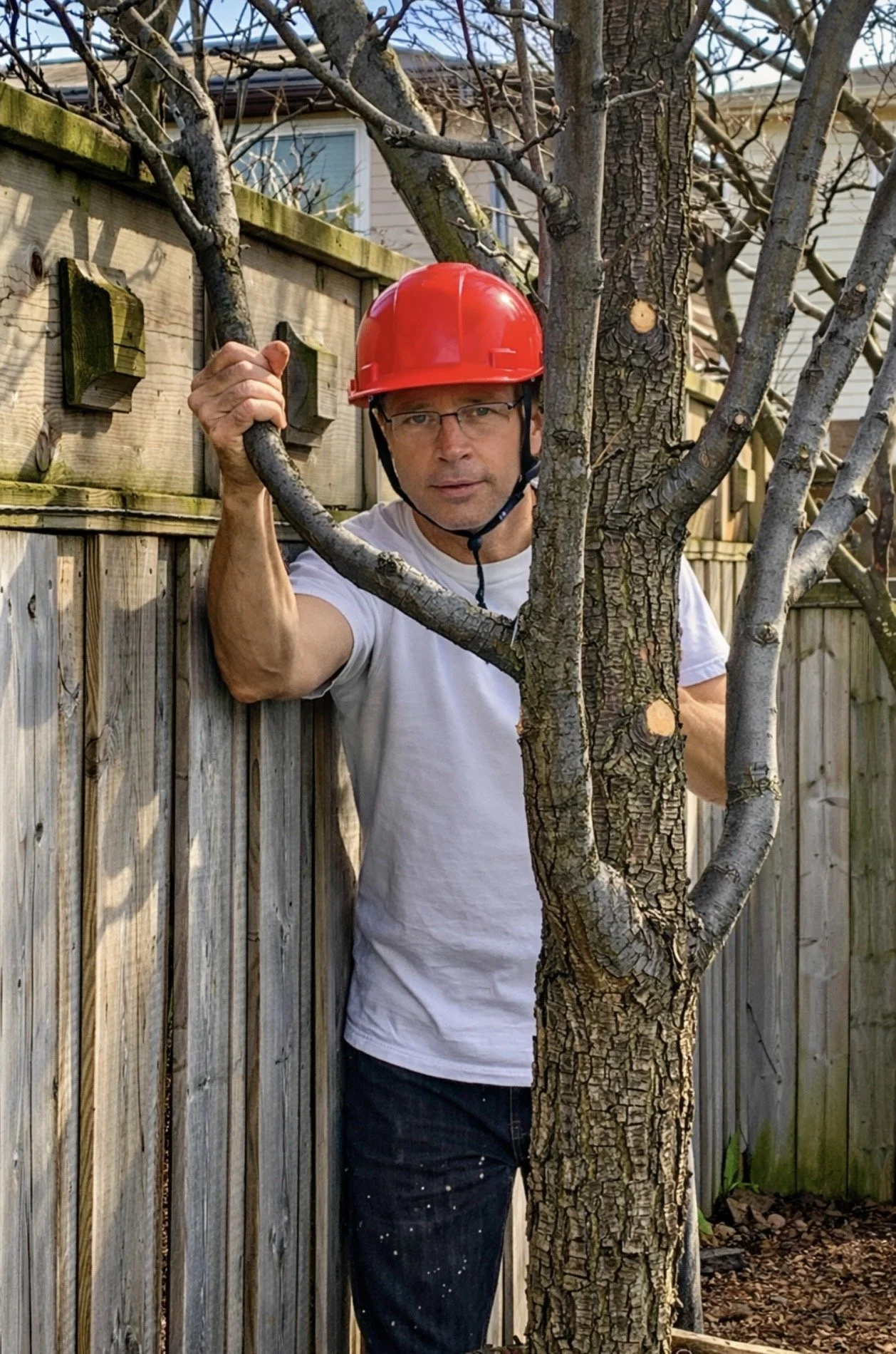
Structural pruning guides the tree to develop one dominant trunk, strong branch attachments, and proper spacing.
The Critical Role of the Branch Collar
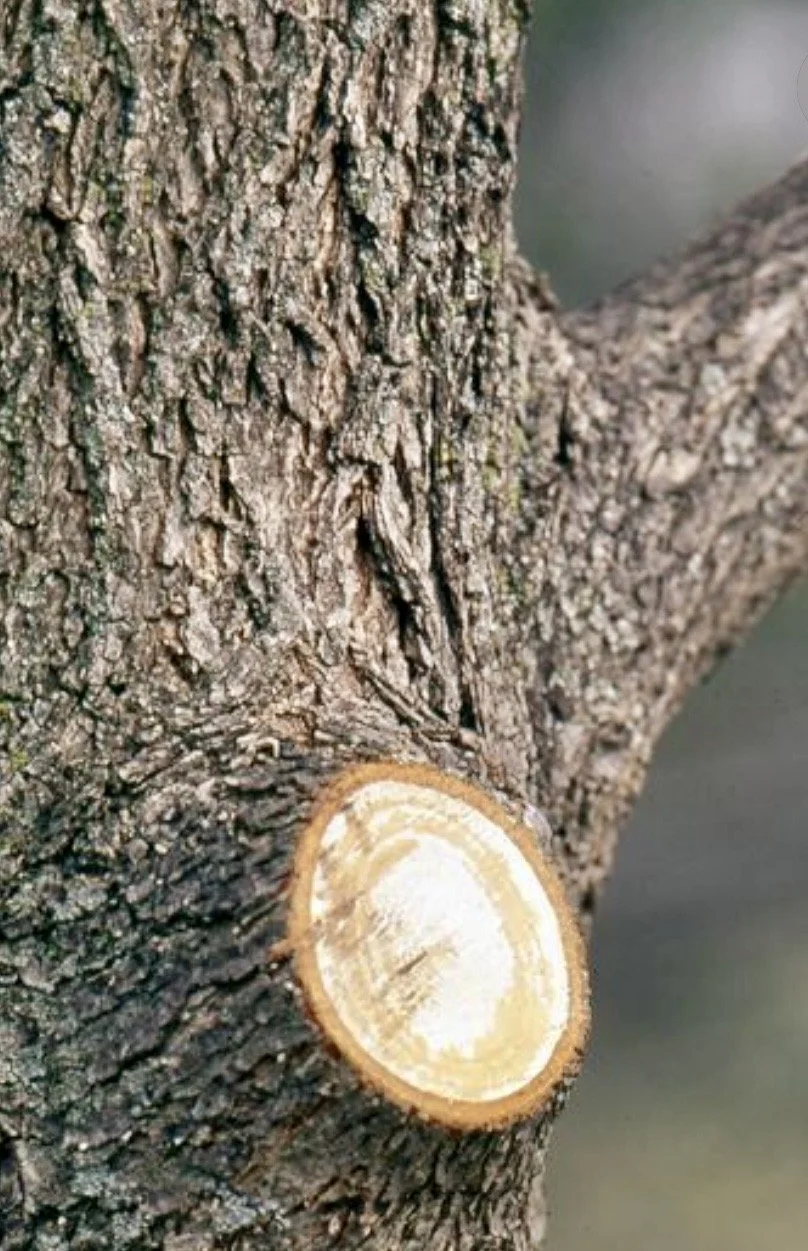
The branch collar is the slightly swollen area where a branch connects to the trunk.
Cuts should be made just outside the branch collar — never flush against the trunk and never leaving a long stub.
Proper cuts allow the tree to seal wounds efficiently and prevent decay.
The Three Core Goals of Structural Pruning
1. Encourage one dominant central leader.
2. Remove weak or competing branches.
3. Create proper spacing between branches.
When Should Structural Pruning Be Done?
The best time is during the dormant season — late fall through early spring.
It is most effective when performed during the first 10–15 years of a tree’s life.
How Often Should Structural Pruning Be Done?
Ideally every year during early development, or every two years if annual pruning is not possible.
Regular light pruning is far better than infrequent heavy pruning.
Tools Needed
Bypass pruners for small branches, loppers for medium branches, and a pruning saw for larger branches.
Use sharp, clean tools to ensure clean cuts.
Safety Considerations
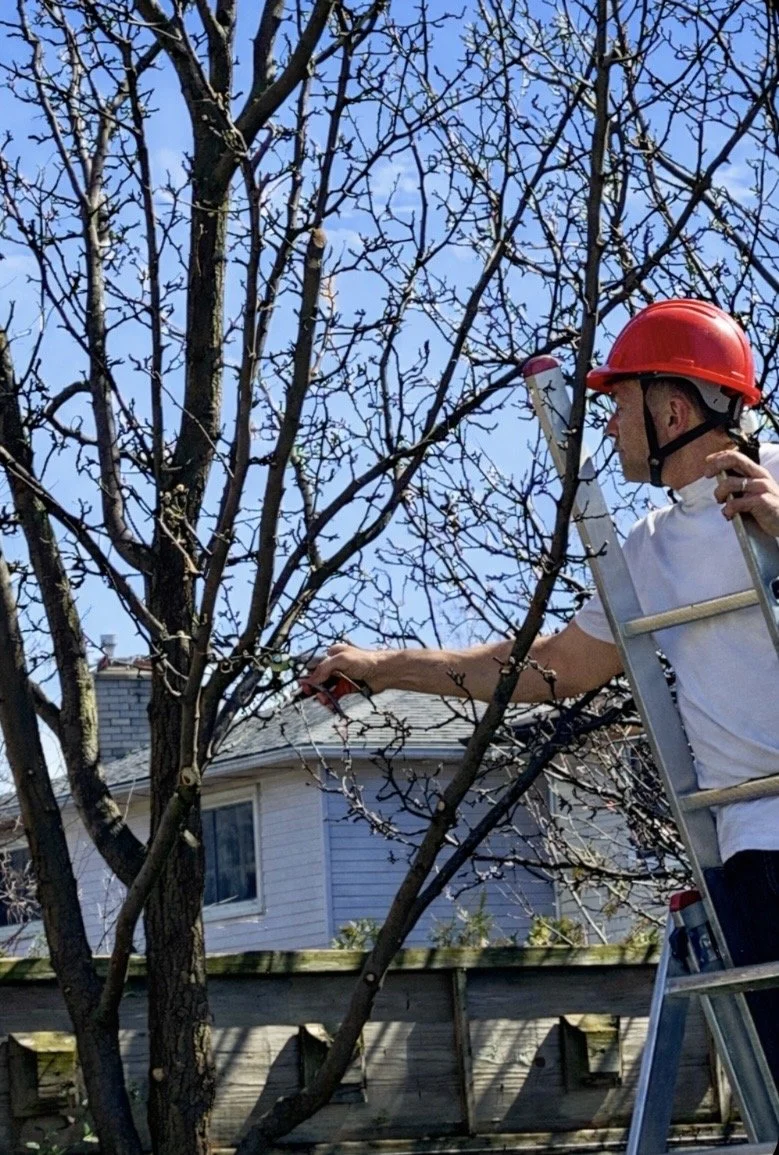
Wear eye protection, gloves, and a helmet when working overhead.
Never prune near power lines without professional training.
A Natural Approach: Working With the Tree
Structural pruning mimics natural forest processes while guiding trees toward stronger structure.
This results in greater storm resistance, longer lifespan, and lower maintenance.
Investing in the Future of Your Trees
A small investment in structural pruning early in a tree’s life can prevent major problems later.
Healthy, well-structured trees provide beauty, safety, and ecological value for generations.
If you have questions or would like professional structural pruning services, please contact us:
Nature’s Tapestry Eco-Landscape
info@naturestapestry.ca
(226) 602-4381